
Somerset is a boredom-free zone
If you can bear to tear yourself away from your hut, you’ll find no shortage of things to discover and enjoy in the local area – most people head straight past Somerset on the M5 and don’t know what they’re missing!
Maesbury Castle
A short walk from the hut, on the hilltop behind you. It’s an Iron Age hill fort that’s 950ft above sea level. The Somerset Levels, at the foot of the hill, are marginally below sea level, so the views south and west are spectacular – they include Glastonbury Tor, the Quantock Hills, Brent Knoll and the Bristol Channel beyond. The views to the north and east are pretty special too. That’s because it was a boundary fort between the Romano-British Celts and West Saxons during the period 577- 652 AD, and they needed to see who was coming their way along the two Roman roads, one heading east-west and the other north-south, that intersect nearby (the former runs within a few hundred yards of the ramparts).
Wells
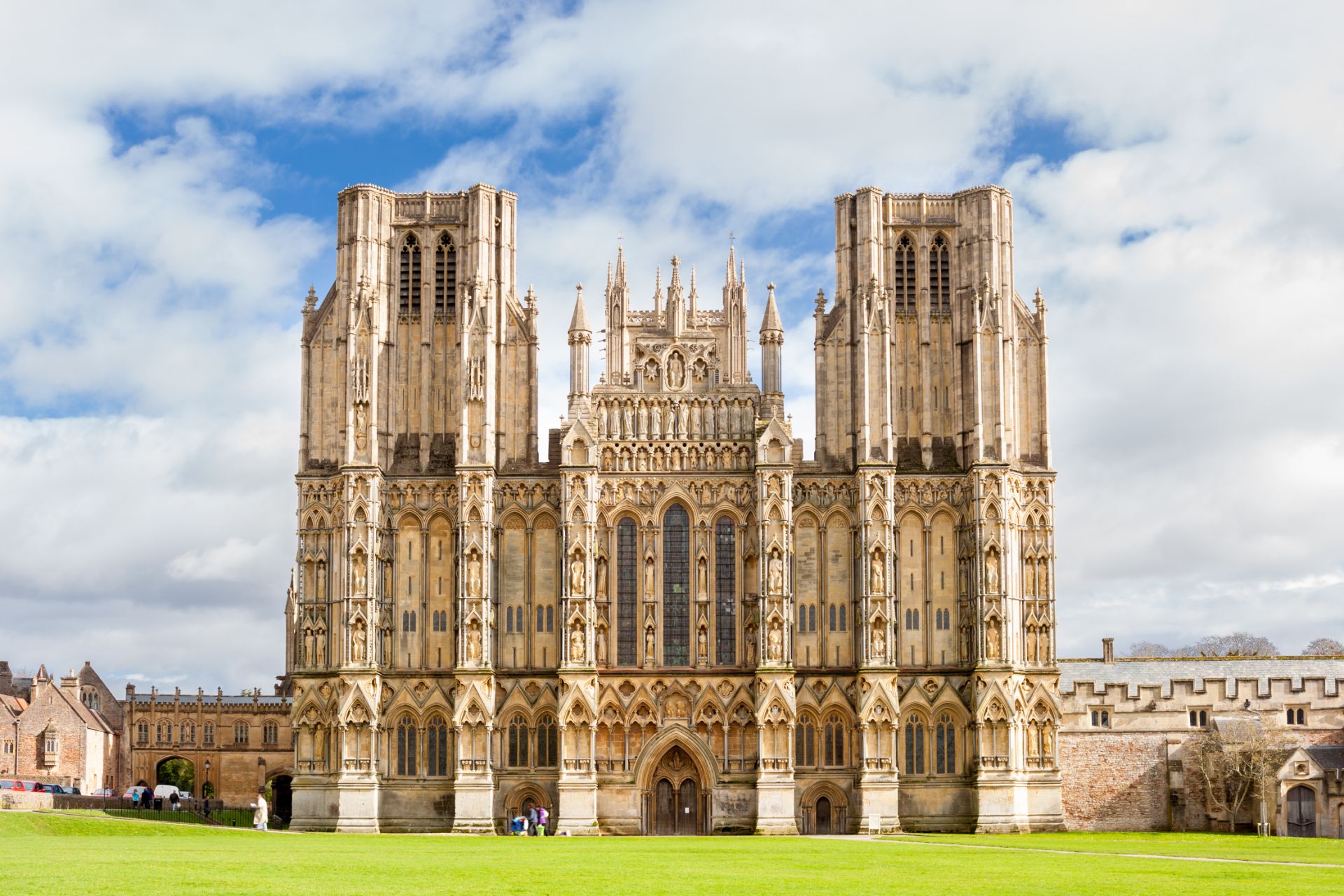
England’s smallest cathedral city is just five miles away. The name derives from the three wells dedicated to St Andrew, one is in the Market Place where an outdoor market takes place on Wednesdays and Saturdays (it was first established in 1136 AD!), and two are in the grounds of the moated Bishop’s Palace and the magnificent Wells Cathedral.
The Cathedral has a strong claim to be the most beautiful in all England with a wonderful West Front featuring about 300 medieval statues and its unique scissor arches supporting the main tower. The Vicar’s Close, originally built to house members of the still famous choir, is the only complete medieval street in England.
Being so picturesque means that Wells is a popular location for shooting movies, most notably “The Canterbury Tales”, “The Golden Age” with Cate Blanchett as Elizabeth I, “The Libertine” with Jonny Depp as the notorious rake the Earl of Rochester, and “Hot Fuzz” with Nick Frost and Simon Pegg. The city has a wealth of cafes, boutiques and independent shops, plus three supermarkets (including a Waitrose for special picnic treats). There are plenty of pubs, excellent restaurants, a nightclub, cinema and leisure centre. Wells also hosts one of the UK’s best illuminated carnivals, held in November.
Glastonbury
13 Miles away and almost certainly the most eccentric and alternative town in England, if not the world – nowhere else has more myths, legends, ley lines, hippies, wholefoods, new age bookshops and crystal emporia per square foot. If you love history, heritage and all things New Age then you’ll feel very at home!
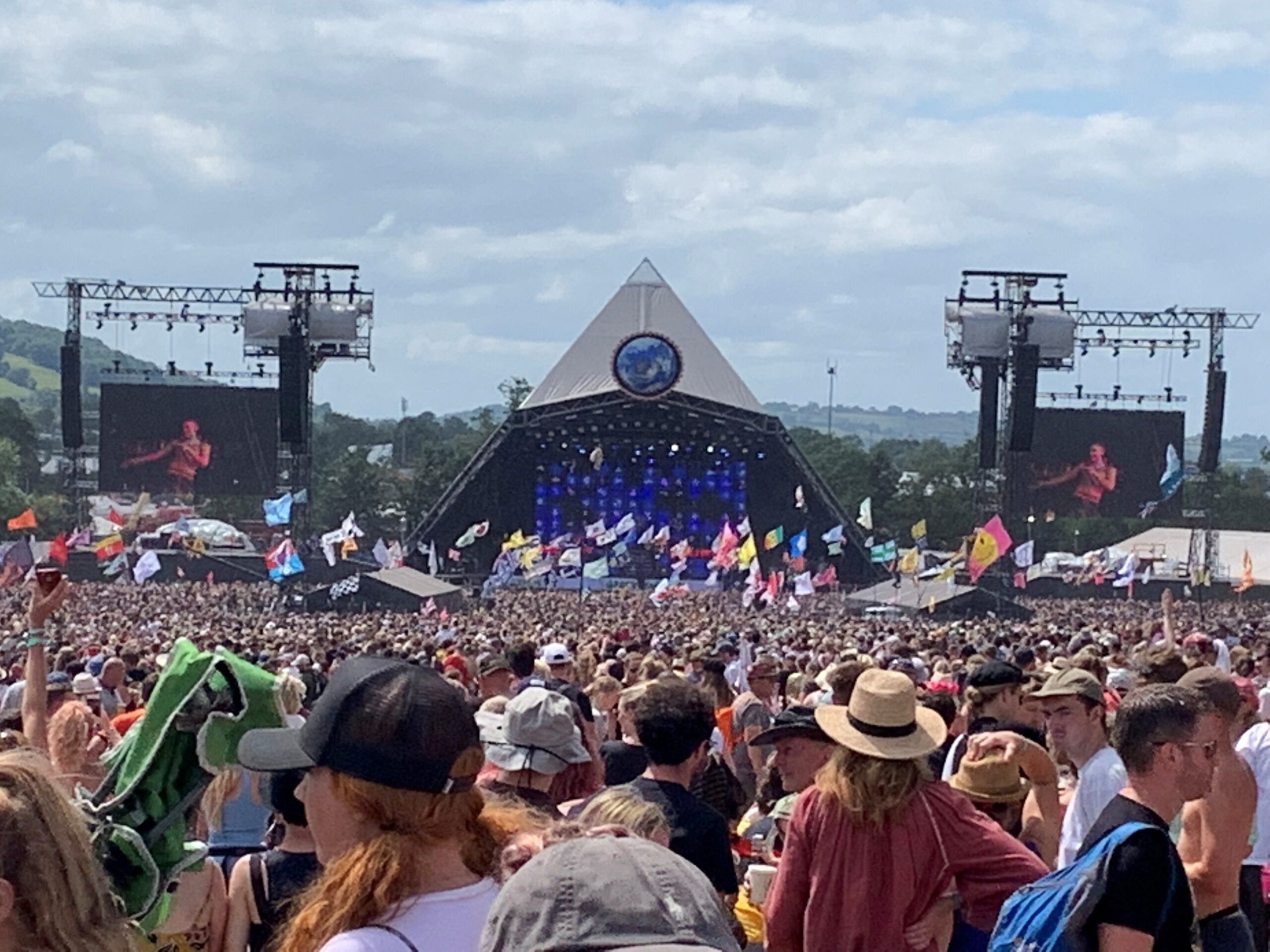
The famous Glastonbury Festival takes place in the nearby village of Pilton.

Street
Just a couple of miles beyond Glastonbury and home of Clarks Shoes. Shopaholics will love Clarks Village, a designer outlet complex that includes more than 90 shops and restaurants, mostly selling goods at discount prices.
Frome
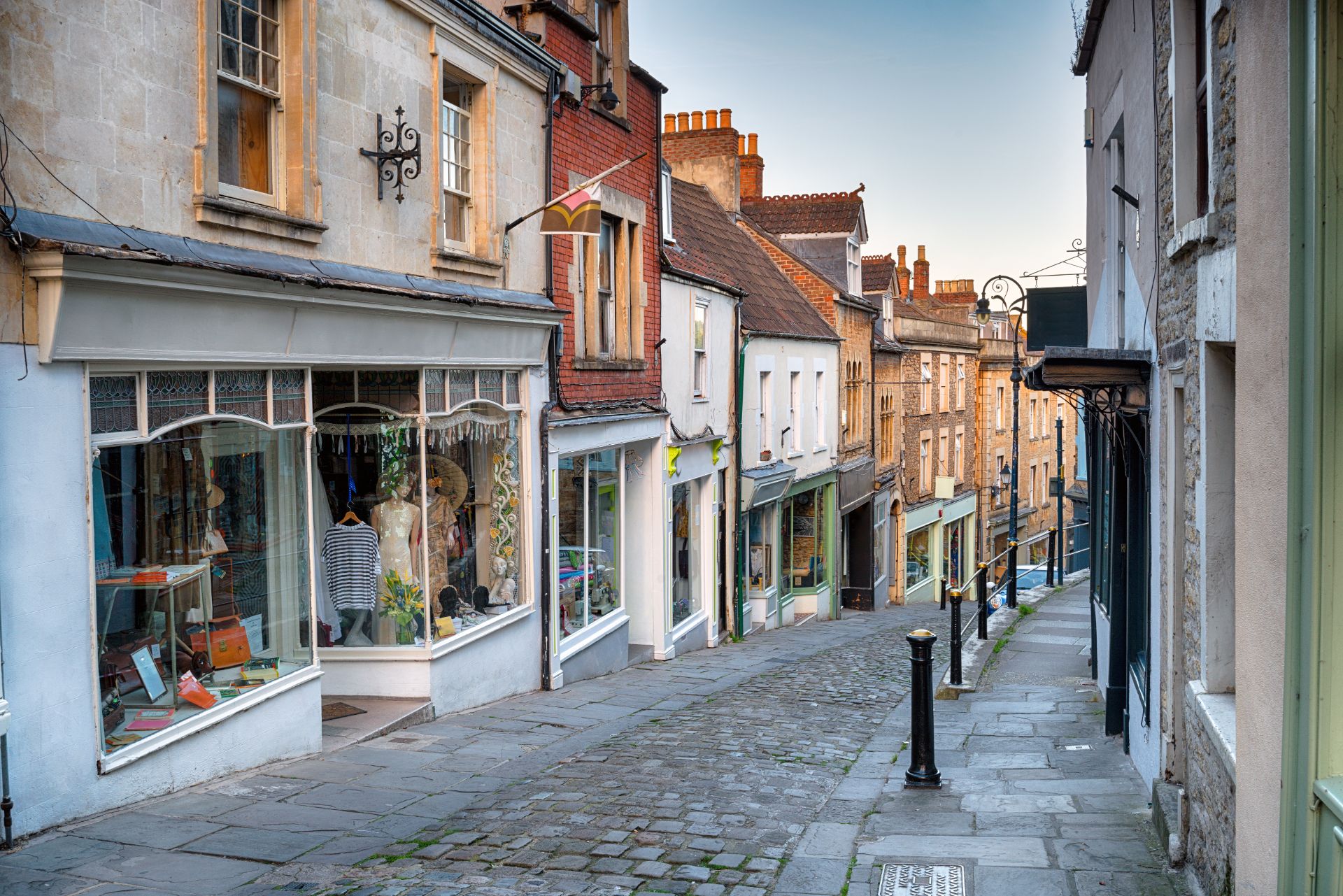
Highlighted as one of The Times “Best Places to Live in Britain”, Frome is also a welcoming and vibrant place to visit, with a wealth of history, culture and natural beauty. Packed to the rafters with historic buildings, beautiful independent shops and creative people, Frome is a wonderfully eventful town. It is the perfect destination for discerning tourists looking for something just a little bit different on visits to Somerset.
Frome is a historic town centre and has a wealth of architectural interest alongside a thriving contemporary and performing arts scene. Frome is also the original Somerset market town and this tradition continues today with regular markets every Wednesday, Thursday and Saturday. Then on the first Sunday of each month from March to December, the Frome Independent Market comes to town. The Frome Independent is a mini festival that takes over the whole town, attracting thousands of visitors. It brings together the best local food and drink, artists and designers, produce, plants, flowers, retro, vintage, collectables, homewares and street entertainment.
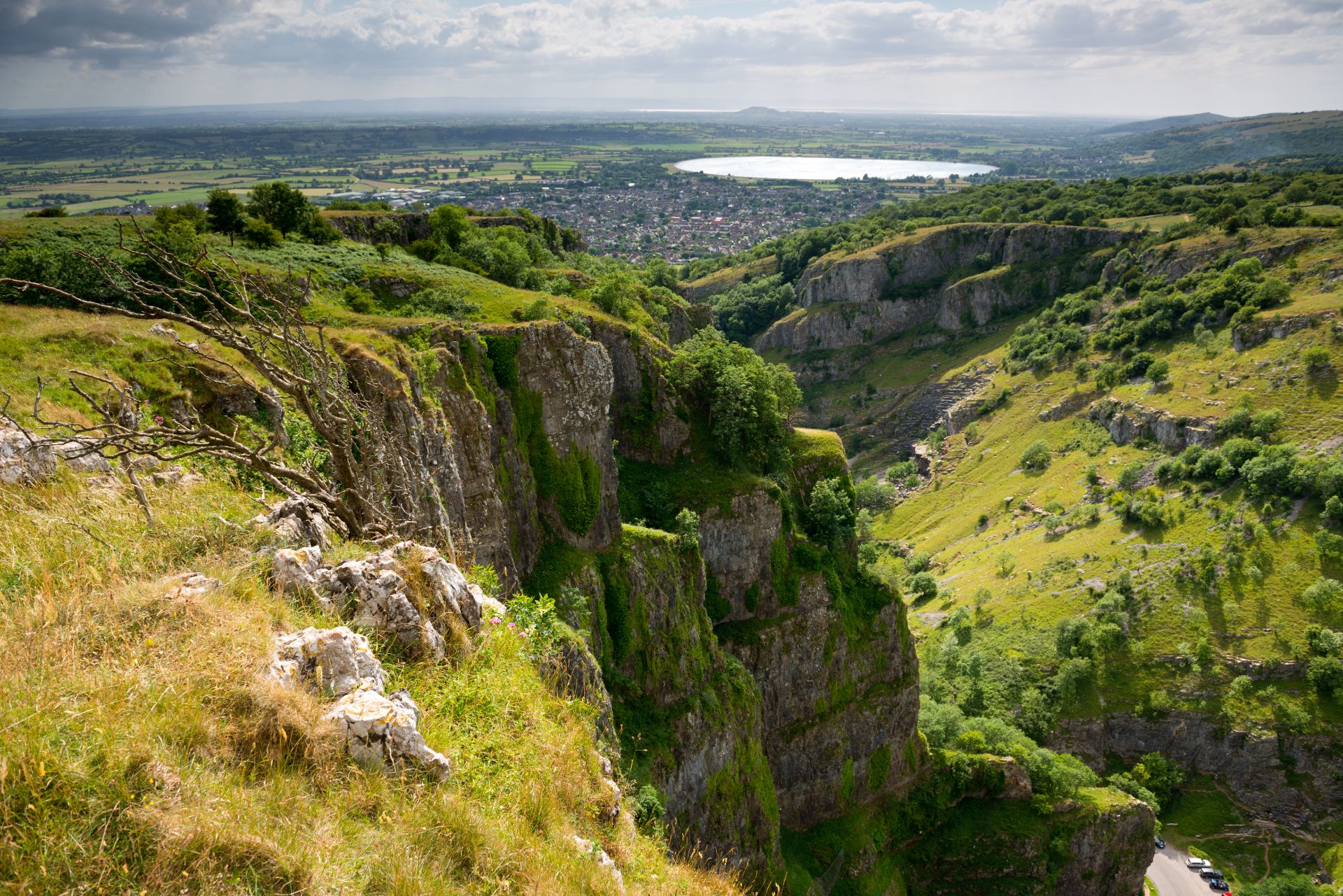
Cheddar
13 Miles to the west along the line of the Mendip Hills, this little town is famous for the cheese that can now be found almost all over the world. The earliest reference to this delicacy is in 1170 when King Henry II purchased 10240 lbs. of Cheddar at a farthing per lbs. (that’s 4644 kg at a total cost of £10.67!). Scott of the Antarctic took with him 3500 lbs. (nearly 1600 kg) of Cheddar made in Cheddar on his famous expedition in 1901.
Today only one manufacturer remains, offering guided tours and a huge selection of different cheese varieties.
Cheddar Gorge is the largest gorge in England and home of the famous Cheddar Caves. The network of spectacular passages and chambers includes Gough’s Cave, where the remains of Cheddar Man were found. This is the oldest complete skeleton found in Britain, dating from 7150 BC. A hole in his skull suggests a violent end and other remains show that the inhabitants of the cave enjoyed a bit of cannibalism. Amazingly, DNA testing has found a direct descendant of Cheddar Man still living in Cheddar, 9000 years later!
Cheddar also has a number of good restaurants, including two excellent curry houses, a Chinese, a Thai, and two fish and chip shops.
Frome is a historic town centre and has a wealth of architectural interest alongside a thriving contemporary and performing arts scene. Frome is also the original Somerset market town and this tradition continues today with regular markets every Wednesday, Thursday and Saturday. Then on the first Sunday of each month from March to December, the Frome Independent Market comes to town. The Frome Independent is a mini festival that takes over the whole town, attracting thousands of visitors. It brings together the best local food and drink, artists and designers, produce, plants, flowers, retro, vintage, collectables, homewares and street entertainment.
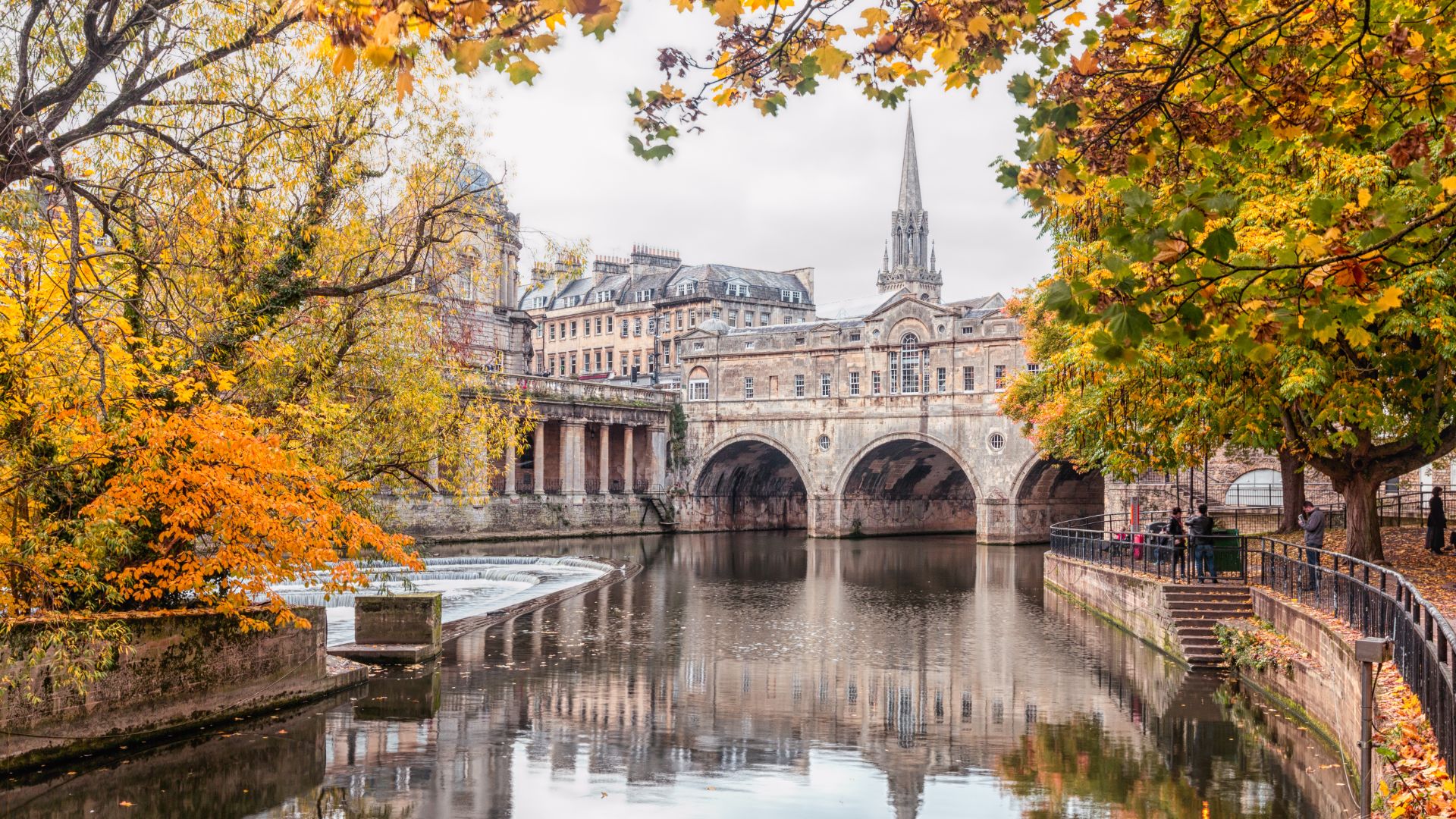
Bath
The City of Bath is only 21 miles away and one of the most popular visitor destinations in the UK. Iron Age Britons found a hot water spring here and built a shrine. The Romans then came and constructed a magnificent temple, an extensive complex of baths, and an entire city. After they left their buildings began to crumble and King Alfred built a new town on this spot. The hot springs were still used for bathing and Bath became a popular spa town.
After the civil war Bath was regularly visited by a succession of monarchs who came to “take the waters” and soon everybody who was anybody had to be seen there. During Georgian times this led to massive redevelopment, with the construction of impressive crescents, terraces and parks that still stand today. During the Victorian era, the original Roman baths were rediscovered and have now been extensively restored – a tour is a must. In recognition of its unique architectural character, the city was selected by UNESCO as a World Heritage Site.
The list of famous residents and visitors is endless (Charles Dickens, Samuel Pepys, William Pitt…) but one stands out – Jane Austen set two of her six published novels, Northanger Abbey and Persuasion, in Bath and made the city her home from 1801 to 1806.
Today the city is still terribly fashionable, with loads of fabulous boutiques, pubs, bars, restaurants and the modern Thermae Spa.
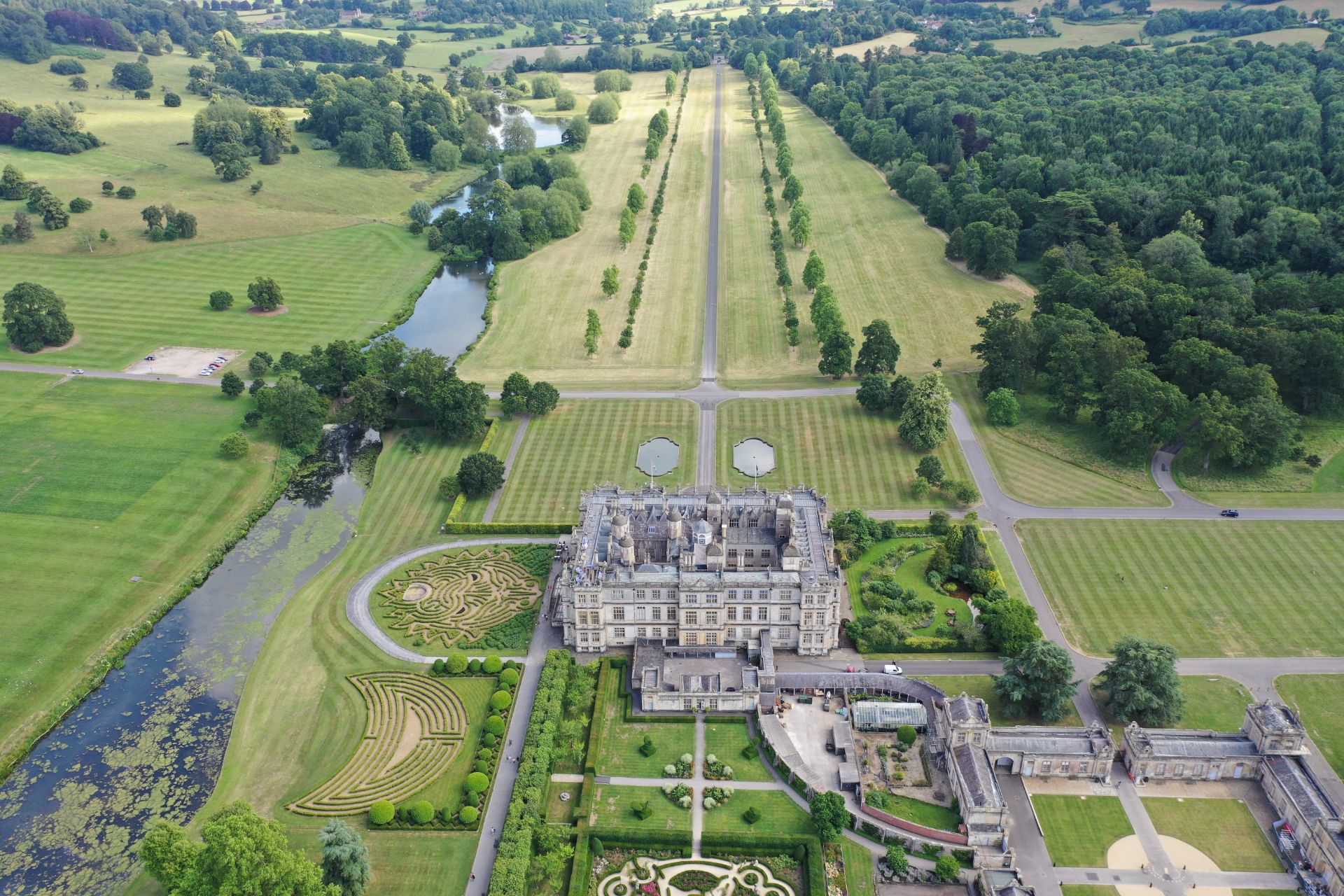
Longleat & Safari Park
18 Miles away is this magnificent Elizabethan mansion with its famous gardens, maze, grounds and safari park. It is currently the seat of the rather eccentric Marquesses of Bath and his many “wifelets” (said to number 73 in total). Much of the house is open to the public and boasts some fascinating interiors, paintings and furnishings.
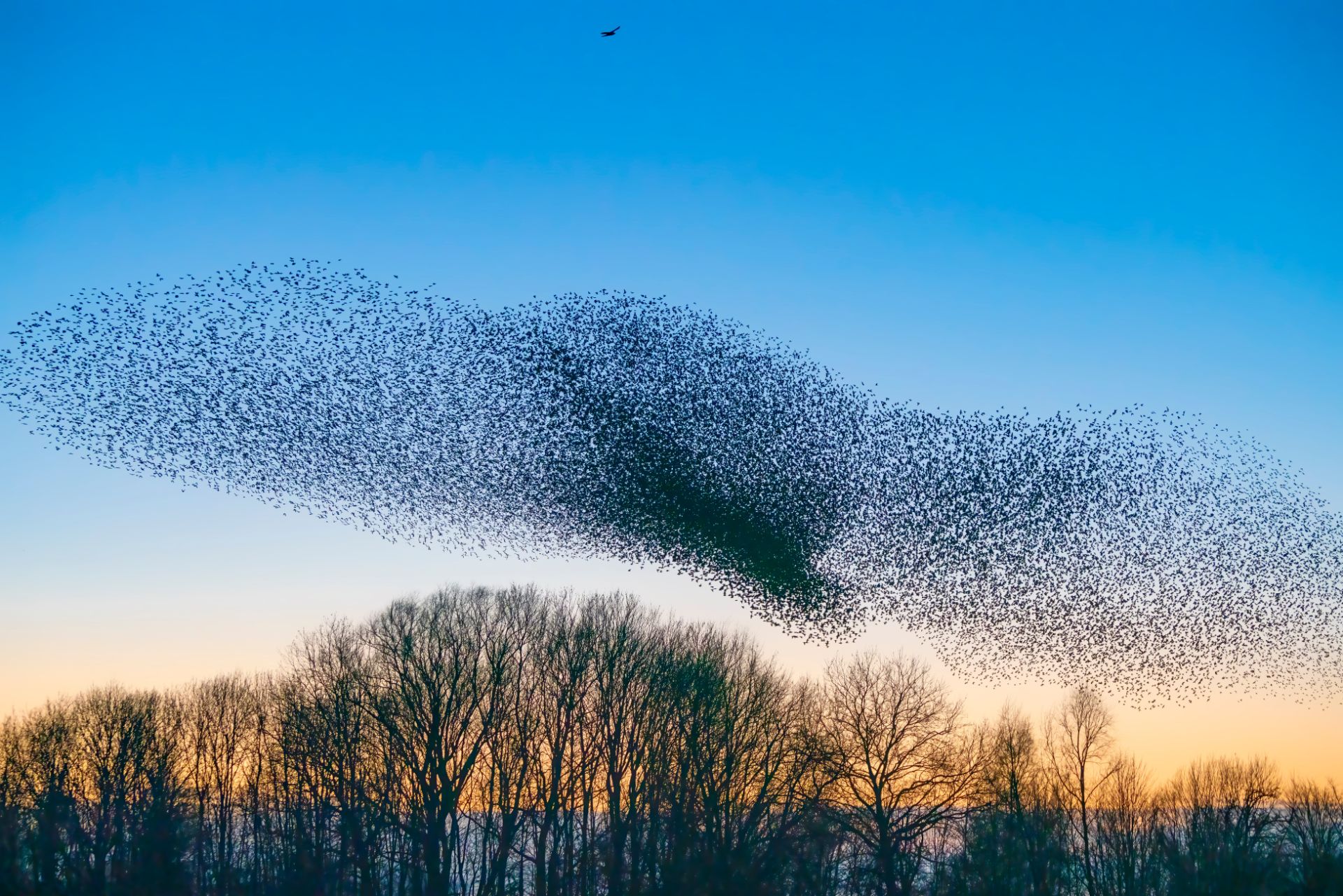
Birdwatching and wildlife walks on Somerset Levels
The Somerset Levels, often flooded and offering miles of marshland, have always attracted huge numbers of birds and other wildlife. Today the old peat workings, covered in reed beds, provide a perfect habitat for a wide variety of creatures – heaven for serious birdwatchers and those with just a casual interest.
Westhay Moor, Ham Wall and Shapwick Heath, about seven miles from the hut, are the best reserves, with lots of pathways and hides. Millions of starlings start to arrive in November and stay through to January/February – massive clouds settle down to roost in the reed beds every evening, providing a spectacular sight. This phenomenon is known as a “murmuration”, presumably because of the weird sound a few hundred thousand wings make!